
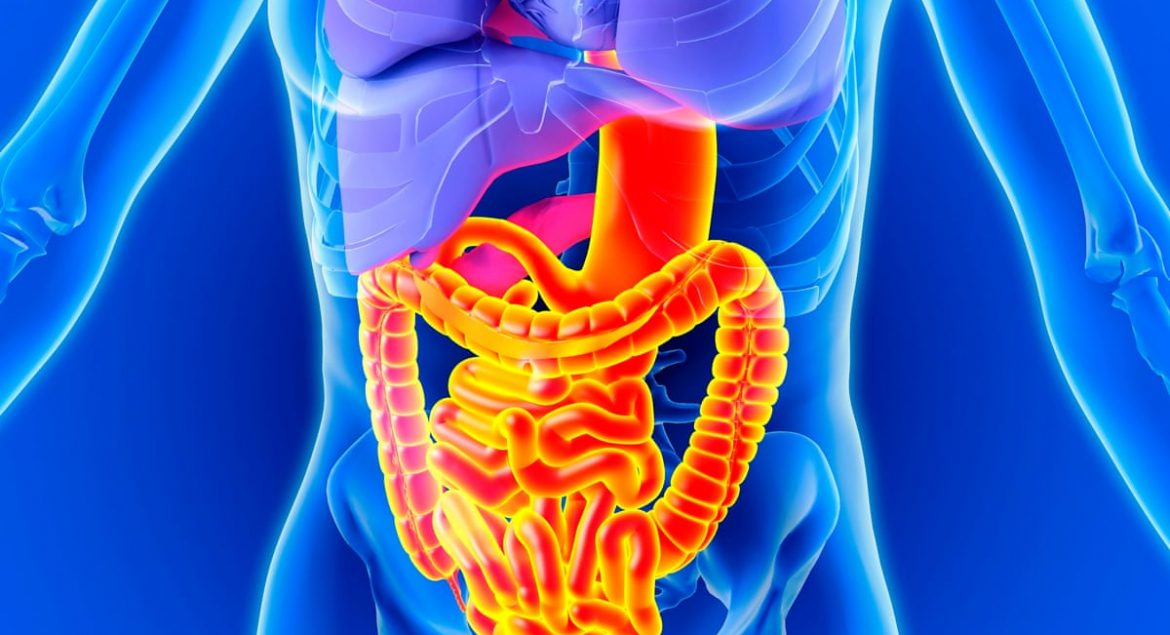
Rectal bleeding can happen to you with or without torment/ pain. At whatever point you find you’re bleeding; it stands out enough to be noticed. Also, it’s frequently simple to discover the wellspring of the blood. In any case, when it’s rectal bleeding, the source isn’t so natural to pinpoint. Also, this can make anybody stress. All in all, what are the most probable wellsprings of rectal bleeding? Dr. Mosvick Kumar, examines likely reasons for rectal bleeding and clarifies why you should work with your doctor to discover the reason in the event that it happens to you.
Major causes of rectal bleeding?
Hemorrhoids. It’s typical for everybody to have hemorrhoids inside and outside of the butt (anus). In any case, there are a few reasons they may get aggravated. In the event that you notice blood on your toilet paper or in the latrine, the elements that may highlight hemorrhoids include:
- Low-fiber diet.
- Heavy lifting.
- Hard stools.
Butt-centric crevices (Anal fissures). In the event that there are tears in the tissue of the rear-end (anus), at that point you may encounter both rectal bleeding and agony during and after a solid discharge. Commonplace reasons for butt-centric crevices (Anal fissures) include:
- Chronic blockage.
- Anal intercourse.
Diverticulosis. At the point when little pockets, or diverticula, structure in the covering of the entrail, you have diverticulosis. Tension on shaky areas in the intestinal divider may make these small pockets structure.
Colon Cancer. In an extremely modest number of cases, rectal bleeding is an indication of colon cancer. You additionally may see different indications, for example, unexplained weight reduction or torment in your midsection. Colon cancer ordinarily begins with polyps in the colon. Early discovery is the objective here, Dr. Mosvick Kumar says. Polyps are normally amiable from the outset, and a specialist can eliminate them before they become cancer in the event that you get the issue early. Dr. Mosvick Kumar stresses that hemorrhoids and butt-centric gaps (Anal fissures) are answerable for rectal bleeding around 98 percent of the time. In any case, it’s essential to inform your doctor as to whether you experience rectal bleeding so the individual can preclude some other issues.
Your doctor will need to know this?
It’s useful in the event that you can make a note of how long you have been encountering rectal bleeding, if it stops and begins once more, and how long it endures. Other significant data your doctor should know incorporates:
- Do you see the blood in the stool and additionally in the latrine bowl?
- What tone is the blood?
- Does the blood consistently appear with a solid discharge?
- Are you encountering torment?
- What is your family clinical history?
Plan to begin screenings after age fifty’s
Regardless of whether you’re not encountering issues or seeing any rectal bleeding, Dr. Mosvick Kumar accentuates that it’s imperative to start having colon cancer screenings when you turn fifty. Dr. Mosvick Kumar adds that you should begin having ordinary screenings prior (10 years before the age of the general when they were determined to have malignancy/ cancer) if you have any set of experiences of colon cancer in your family. Eating a high-fiber diet and remaining all around hydrated can help address rectal bleeding, Dr. Mosvick Kumar says. Also, you should proceed with those solid propensities after the bleeding stops to help shield it from repeating.


