
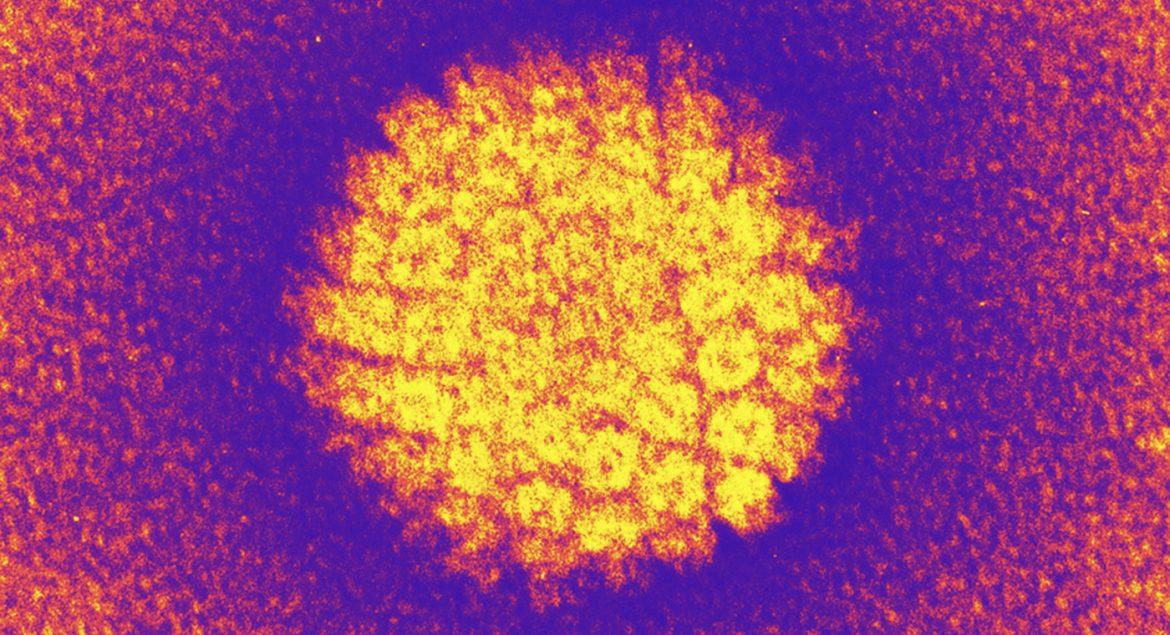
While human papilloma virus, or HPV, is a notable reason for cervical malignant growth (cancer), there’s much more you should think about this regular contamination/ infection. Dr. Mosvick Kumar, shares seven things you most likely didn’t expect about HPV.
HPV is shockingly normal
HPV is the most widely recognized sexually transmitted infection in the US. As indicated by the Centers for Diseases Control and Prevention, around seventy-nine million individuals are presently tainted, and it’s assessed that nearly each and every individual who’s sexually active will wind up with in any event one strain of HPV eventually.
Even if There are more than 200 distinct strains of HPV, however not every one of them cause malignancy / cancer.
Indeed, just around twelve strains of HPV are known to cause disease and two specific strains, HPV 16 and 18 are liable for about 70% of every single cervical cancer. A few strains cause moles/ warts, yet not cancer disease, and a few strains cause no issues by any stretch of the imagination.
HPV can cause different sorts of disease other than cervical malignancy/ cancer
HPV is the main source of anal cancer and oropharyngeal cancer (cancer of the back of the throat). It’s likewise answerable for about a large portion of the instances of penile and vulvar cancer and around 66% of vaginal cancer cases.
HPV influences men as well
Entertainer Michael Douglas stood out as truly newsworthy back in 2013 when he reported that he got throat cancer, not by drinking and smoking, but rather from HPV. Truth be told, white, non-smoking men age 35 to 55 are most in danger for oral and oropharyngeal cancer brought about by HPV; they’re multiple times more probable than ladies to build up these tumors. Penile and anal cancer, while uncommon, are additionally brought about by Human Papilloma Virus.
Testing for HPV And Getting Bad Results
In spite of the fact that there are approaches to test for probably a few sorts of HPV contaminations/ infections, the outcomes don’t generally reveal to you much about your disease hazard.
Human Papilloma Virus diseases frequently resolve on their own gratitude to the body’s normal insusceptible reaction, which implies that you may test positive just to discover a couple of years after the fact that you presently don’t have HPV by any means. Testing is certainly not a solid method to screen for malignancy or cancer hazard.
Knowing indications of HPV
Notwithstanding the restrictions of testing, it’s as yet a smart thought for ladies to get a Pap test at regular intervals (in light of rules) and for people to look for different indications of HPV-related diseases with the goal that you can get any issues early. Here are some broad suggestions.
For cervical cancer:
The Pap test distinguishes strange cervical cells that could prompt malignancy/ cancer. All ladies should start cervical cancer testing (screening) at age 21. Ladies from age 21 to 29 ought to have a Pap test like clockwork.
HPV testing ought not be utilized for screening in this age gathering (it very well might be utilized as a piece of development for an unusual pap test. Starting at age 30, the favored method to screen is with a Pap test joined with an HPV test at regular intervals. This is called co-testing and should proceed until age 65. Ladies who are at high danger of cervical cancer in light of a stifled resistant framework (for instance from HIV infection, organ relocate, or long-haul steroid use), history of irregular Pap test or on the grounds that they were presented to DES in utero may should be screened all the more regularly. They ought to follow the proposals of their medical care group. The HPV DNA test is likewise an FDA-endorsed method for testing for HPV and screening for cervical malignant growth (cervical cancer).
HPV related cancers/ tumors:
Vulvar and vaginal cancer: There’s no standard screening for these cancer/ tumors, however monitoring your body is the following best thing. Expected reasons for concern remember changes for vulvar skin, tingling, bleeding, burning, unusual release, pelvic torment and changes in restroom propensities (going pretty much regularly or having blood in the pee or stool).
Oropharyngeal cancer: There’s no standard screening for these malignant growths or cancer, yet side effects incorporate patches of red, white, or black staining inside your mouth or throat, oral injuries that don’t recuperate inside a little while, agonizing gulping, one swollen tonsil and a tireless sore throat.
Penile cancer: There’s additionally no standard screening for penile cancer, yet injuries or textured territories on the penis are reasons for concern.
Butt-centric malignant growth/ anal cancer: Albeit butt-centric cancer isn’t regularly screened for, Pap tests and high-goal anoscope’s are once in a while used to check for cell anomalies. It’s consistently a smart thought to converse with your PCP/ doctor about any progressions you notice in these pieces of your body.


